
Fruit juice and juice-based drinks serve different product goals. Some are made directly from fruit juice; others combine juice with flowers, seaweed-derived ingredients or added fiber. These five examples are a selection of beverage formats, not a complete classification of all fruit juices. The right formulation and equipment depend on the ingredients, target shelf life, packaging and local labeling rules.
An industrial juice processing line can be configured for fruit preparation, extraction, blending, heat treatment and filling. Each beverage still needs its own product trials and validated food-safety plan.
Types of Fruit Juice and Specialty Drinks
NFC Juice (Not From Concentrate)
NFC juice is produced without a concentration and reconstitution step. It can be processed and packed using methods selected for the fruit, distribution temperature and intended shelf life. NFC does not automatically mean unpasteurized, cold-filled or packaged in a can. Compare products by their ingredient list, process and storage instructions rather than assuming that every juice made from concentrate contains sugar or preservatives. For products sold in the United States, the FDA explains how juice made from concentrate must be identified on the label.

Mixed Fruit Juice
Mixed fruit juice combines two or more fruit juices, or fruit and vegetable juices, to achieve a desired flavor, color and acidity profile. Pineapple and citrus juice are possible ingredients. Producers should assess ingredient proportions, pulp stability, acidity, heat treatment and package compatibility through formulation trials. The finished label should accurately identify the juice blend and its juice content according to the target market's rules.

Flower Drinks
Flower drinks may use approved edible flower ingredients or extracts for a distinctive flavor and color. They can be formulated as infused beverages or blended with fruit juice, but a flower drink is not automatically a fruit juice. Ingredient identity, food-grade sourcing, allergens where relevant, flavor stability and accurate labeling should be reviewed before production. Processing and packaging choices depend on the finished recipe.

Iodine-Enriched Juice
An iodine-enriched juice concept may combine fruit juice with a controlled iodine source, such as a suitable seaweed-derived ingredient. Iodine content varies greatly among seaweed species and ingredients, so the amount in each serving should be determined by testing and reviewed against the rules of the intended market. It should not be promoted as a treatment for blood lipids, blood vessels, the liver or the heart. The NIH iodine fact sheet explains both iodine requirements and the risks of excessive intake.
High-Fiber Drinks
High-fiber drinks can be designed with fruit pulp or suitable added fiber ingredients. The formulation should be tested for viscosity, suspension, mouthfeel, pumpability and filling performance. A fiber claim on the label must be supported by the finished product's measured content and applicable rules; fiber drinks should not be presented as detoxification or weight-loss treatments. The FDA dietary fiber guidance describes how added ingredients are evaluated for labeling.

For juice labeling and food-safety planning, see the FDA Food Labeling Guide and FDA Juice HACCP guidance. Processing conditions and permitted claims should be confirmed for each recipe and destination market.
- Fruit Juice Production Line
- Citrus Juice Processing Line
- Mango juice production line
- Apple Juice Processing Line
- Pineapple Juice Processing Line
- Pomegranate juice processing line
- Lychee juice processing plant
- Grape Juice Processing Line
- Full Automatic Milk Processing Plant
- Plant Protein Beverage Production Line
- Coconut Water Processing Line
- Industrial Coconut Milk Processing Line and Extraction Equipment
- Fruit Crusher Machine
- Tubular Fruit Preheater
- Steam Jacketed Kettle
- Fruit Belt Press Filter
- Spiral Juice Extractor
- Fruit Peeling and Squeezing Machine
- Citrus Fruits Peel Essential Oil Extractor
- Double Screw Extractor for Grape
- Fruit Pulping Machine
- Mango Peeling and Destoning Machine
- Grape Destemmer Crusher
- Automatic Coconut Cutting Machine
- Tender Coconut Half Cutting Machine
- grape wine squeezing machine
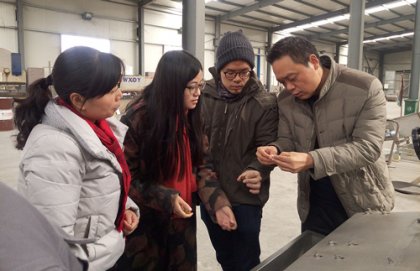
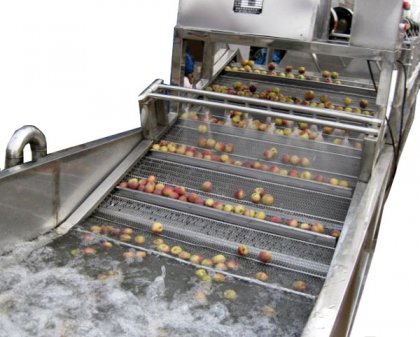

Compare four industrial fruit washing machine types and AGICO bubble washer models. Select by capacity, cleaning action, materials and fruit handling....
Follow six industrial mango juice processing steps, from sorting and pulping to blending, heat treatment, filling and cooling. See equipment choices and figures to confirm....
Compare gravity, pressure, vacuum, flow-meter and weighing juice filling machines. Learn how beverage type, bottle, capacity and cleaning needs guide selection....