
Fruit juices differ in flavor, acidity, color and nutrient content. Their composition also changes with fruit variety, processing, added ingredients and serving size. Juice can be one part of a diet, but no single juice prevents or treats a disease. Check the product label and consider whole fruit when dietary fiber is important.

Nutrition and differences of various fruit juices
Choose juice by ingredients, taste and nutritional needs rather than a universal ranking. The following examples describe product characteristics, not medical effects:
- Orange juice often provides vitamin C, but the amount per serving varies. The label, serving size and any added ingredients matter more than a claim that one glass meets everyone's daily needs.
- Orange juice with pulp may have a different texture from clear juice. The amount of pectin or fiber depends on processing; juice does not remove harmful substances from the body.
- Apple and grape juices are usually sweet and contain naturally occurring sugars and organic acids. They do not prevent colds or treat weakness, blood-vessel or nervous-system problems.
- Pineapple juice has a distinctive sweet-tart flavor. Pineapple contains bromelain, but the amount remaining in a finished juice depends on processing; a glass of juice should not be presented as a digestive treatment.
- Mango juice or nectar may contain carotenoids, while fiber and other nutrients depend on pulp content and formulation. There is no established “vitamin S” in mango juice and no basis to promise improved eyesight or immunity from the drink.
- Peach and apricot juices have different aromas and acidity. They do not prevent cardiovascular disease or osteoporosis, and are not treatments for dizziness or insomnia.
- A banana drink is usually a blended beverage rather than clear juice. People with kidney disease may need to limit potassium-rich foods such as bananas; follow individualized advice from a clinician or dietitian. NIDDK explains potassium considerations in kidney disease.
- Pear juice has a mild flavor and its composition varies by variety and processing. It does not prevent kidney or liver disease or restore intestinal function.
- Grapefruit juice has a tart-bitter taste and can provide vitamin C. It does not prevent cancer, colds or liver disease. Grapefruit can also interact with some medicines, so check the medication guidance or ask a pharmacist. FDA explains grapefruit-drug interactions.
- Plum juice and prune juice are different products with different formulations. Do not assume either is a treatment for obesity or constipation; check the ingredients and serving size.
- Cherry juice may be sweet or tart depending on the variety and formulation. Its nutrients vary, and it is not a proven way to prevent colds or treat blood or nerve conditions.
AGICO fruit juice production line
AGICO offers equipment for fruit-juice and beverage production, including extraction, treatment and filling options. A suitable line depends on the fruit, product specification, target capacity, container, cleaning needs and sales market. Equipment and service scope should be confirmed in the project proposal and contract.
When planning a line, compare the process flow, product trials, utility requirements, food-contact materials, hygiene controls and after-sales terms for the specific configuration. Quality and shelf life must be established for the actual recipe and processing conditions.
If you want to build a fruit juice production line or buy a fruit juice machine, please contact us with the raw material, intended product, capacity and package.
- Fruit Juice Production Line
- Citrus Juice Processing Line
- Mango juice production line
- Apple Juice Processing Line
- Pineapple Juice Processing Line
- Pomegranate juice processing line
- Lychee juice processing plant
- Grape Juice Processing Line
- Full Automatic Milk Processing Plant
- Plant Protein Beverage Production Line
- Fruit Crusher Machine
- Tubular Fruit Preheater
- Steam Jacketed Kettle
- Fruit Belt Press Filter
- Spiral Juice Extractor
- Fruit Peeling and Squeezing Machine
- Citrus Fruits Peel Essential Oil Extractor
- Double Screw Extractor for Grape
- Fruit Pulping Machine
- Mango Peeling and Destoning Machine
- Grape Destemmer Crusher
- Automatic Coconut Cutting Machine
- Tender Coconut Half Cutting Machine
- grape wine squeezing machine

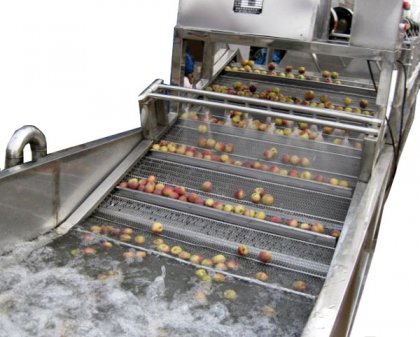

Compare four industrial fruit washing machine types and AGICO bubble washer models. Select by capacity, cleaning action, materials and fruit handling....
Follow six industrial mango juice processing steps, from sorting and pulping to blending, heat treatment, filling and cooling. See equipment choices and figures to confirm....
Compare gravity, pressure, vacuum, flow-meter and weighing juice filling machines. Learn how beverage type, bottle, capacity and cleaning needs guide selection....