
Ready-to-drink beverages can involve extraction, blending, filtration, treatment and packaging. The treatment and filling steps must be planned together for the actual recipe, container, intended shelf life and sales market. A process that works for one juice or package should not be assumed suitable for every drink.
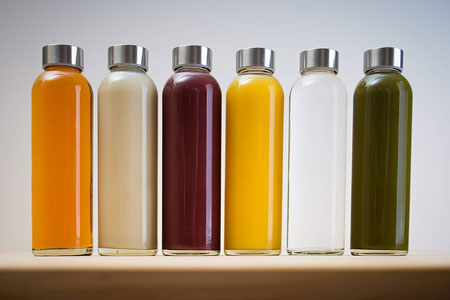
Selection of beverage sterilization
Heat treatments such as pasteurization and ultra-high-temperature processing are among the options used in beverage production. Other approaches, including ultraviolet or ozone treatment, have specific applications and require suitable equipment and validation. The product's acidity, ingredients, target microorganisms, package and storage conditions all affect the process choice. The required time, temperature or other critical limits must be established for the specific product rather than copied from another beverage.
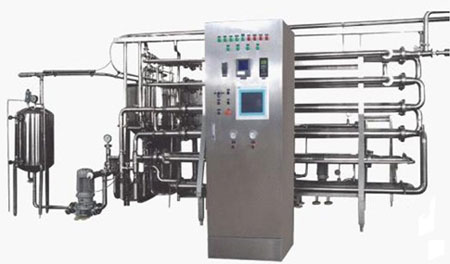
Acidic and low-acid beverages can need different controls, but acidity alone does not assign one universal treatment method. Pasteurization can be used for some juices when the process is validated; low-acid products may need additional controls appropriate to their intended storage. Glass and other containers also have limits for heating, cooling and pressure, so the package supplier's specifications and the chosen filling process must be checked together.
Ultraviolet systems can treat a suitable product stream or parts of the processing environment when their application is designed and validated; they are not a blanket guarantee of germ-free air or beverage. Ultra-high-temperature processing may be paired with aseptic packaging for some products, but nutrient and flavor effects depend on the recipe and process. No single system is automatically ideal for most drinks.
Filling equipment to enhance strength
Filling equipment may be manual, semi-automatic or automatic, and a line may include bottle handling, capping and other modules. Select the line for the beverage's flow properties, container and closure, required hygiene level, output and cleaning needs. Confirm which modules are included in the quoted configuration.
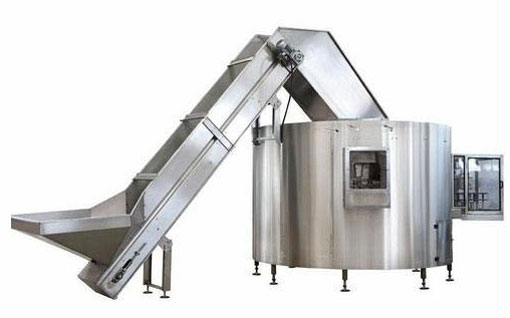
Three main requirements in the filling process
- Can the required hygiene level be maintained? Hot filling and aseptic filling are different systems. Product treatment, cleanable food-contact surfaces, container and closure preparation, and filling conditions must work as one validated process. A CIP connection alone does not prevent mold on a bottle mouth, and an enclosed filler alone does not eliminate contamination.
- Can the machine meet the specified fill volume or level? Choose and verify the measurement method, tolerance and container handling for the product. Consistency matters for declared contents, cost and appearance.
- Can the line reach the needed output without sacrificing hygiene or fill accuracy? Check the rated and practical speed with the actual beverage and package, including changeover and cleaning time. Any customer or regional performance claim should be supported by a project record.
Matching treatment, filling and packaging to the actual beverage helps define a realistic production line and the checks needed before commercial operation.
- Fruit Juice Production Line
- Citrus Juice Processing Line
- Mango juice production line
- Apple Juice Processing Line
- Pineapple Juice Processing Line
- Pomegranate juice processing line
- Lychee juice processing plant
- Grape Juice Processing Line
- Full Automatic Milk Processing Plant
- Plant Protein Beverage Production Line
- Fruit Crusher Machine
- Tubular Fruit Preheater
- Steam Jacketed Kettle
- Fruit Belt Press Filter
- Spiral Juice Extractor
- Fruit Peeling and Squeezing Machine
- Citrus Fruits Peel Essential Oil Extractor
- Double Screw Extractor for Grape
- Fruit Pulping Machine
- Mango Peeling and Destoning Machine
- Grape Destemmer Crusher
- Automatic Coconut Cutting Machine
- Tender Coconut Half Cutting Machine
- grape wine squeezing machine
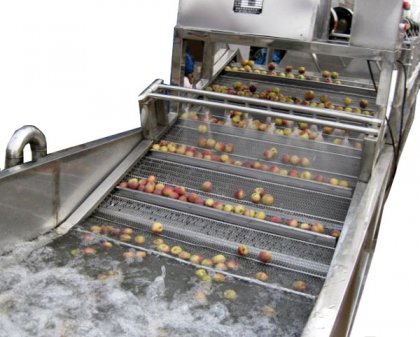

Compare four industrial fruit washing machine types and AGICO bubble washer models. Select by capacity, cleaning action, materials and fruit handling....
Follow six industrial mango juice processing steps, from sorting and pulping to blending, heat treatment, filling and cooling. See equipment choices and figures to confirm....
Compare gravity, pressure, vacuum, flow-meter and weighing juice filling machines. Learn how beverage type, bottle, capacity and cleaning needs guide selection....