
Quality and hygiene in fruit juice production depend on a documented process, trained operators, maintained equipment and checks that match the product and local food rules. The process engineer and quality inspector have different responsibilities, but both need accurate batch records and clear corrective-action procedures. The items below are a practical planning checklist, not a universal regulatory standard or substitute for a validated food-safety plan.
Fruit Juice Production Records and Process Checks
Documentation and Batch Record Management
Record the raw-fruit lot, recipe, processing conditions, cleaning status, packaging materials and finished-product lot for each batch. Review and close the previous batch record before the next product or lot is released into production. Document deviations and the action taken rather than relying on an informal handover.

Operator Practices and Work Instructions
Confirm that operators follow approved work instructions for clothing, hand hygiene, equipment use and movement between areas. Shift checks should identify deviations promptly and provide a documented route for correction and retraining.
Production-Area Hygiene
Check that floors, doors, drains, instruments, pipes and product-contact surfaces are maintained in a cleanable condition. A visibly tidy workshop is useful, but it does not replace verified cleaning and sanitation procedures.
Production Record Review
Review records for completeness, timing and consistency with the actual operation. Parameters that affect safety or product quality should be monitored at the frequency specified by the site's validated plan, with missing or out-of-range results investigated.
Line Clearance Between Products and Lots
Before a recipe, package size or lot-number change, remove or identify remaining material, labels and work-in-progress. Confirm the cleaning and line-clearance steps with the responsible inspector so that material and label mix-ups are controlled.
Checks During Production
Use scheduled observation and spot checks to verify that operators are following the process instructions. Record nonconformities, affected lots and corrective actions. The checking frequency should follow the product risk and the site's plan.
Fruit Juice Quality Control Before and After Filling

Batch Records and Traceability
Quality staff should verify that incoming material, processing, packaging and release records refer to the correct batch and are available for traceability. Check that deviations are resolved before release.
Sanitation Verification
Inspect the relevant sanitation records and the condition of the processing area. If a requirement is not met, document the finding and arrange cleaning, reinspection or other corrective action before production continues as appropriate.
Changeover and Line Clearance
Check product identity, batch number, labels and packaging after a changeover. Sign off only after the defined checks are complete; avoid treating a signature alone as proof that the line was cleared.
Incoming Fruit Inspection
Inspect raw fruit against the agreed acceptance criteria and remove damaged or unsuitable material. Washing and visual sorting help control quality, but they do not eliminate all biological or chemical hazards. The applicable controls should come from the plant's hazard analysis.
Raw and Auxiliary Materials
Verify material identity, condition, lot and measured quantities before use. Segregate materials that do not meet the agreed specification and record their disposition.
Preparation and Product Measurements
Where relevant to the recipe, confirm mixing, filtration and the specified product checks, such as soluble solids, pH, total acidity, appearance and fill temperature. Acceptance ranges should be defined for the actual juice rather than copied from another product.
Filling Volume Checks
Monitor fill quantity against the declared pack specification and the line's sampling plan. A plant might, for example, sample 10 bottles per check at least twice daily. This is an illustrative schedule, not a universal minimum; set the actual sample size and frequency according to local rules, process capability and product risk.
Capping and Seal Integrity
Check that the cap or closure is applied correctly and that torque, seal condition or leak-test results meet the approved package specification. Investigate any trend or failed check before releasing affected product.
Visual Inspection
Inspect representative finished packs for appearance, closure condition, label placement and visible defects. A schedule of at least two checks daily is one possible example; set the actual schedule in the line's documented control plan.
Lot Number and Date Coding
Confirm that printed codes are legible and match the batch record and package. A 20-bottle sample is one possible example; choose a sample size and frequency justified by the coding equipment, shift changes and applicable requirements.
Outer Packaging
Verify carton identity, label text, pack count, lot code and seal quality. Segregate obsolete or incorrect printed materials so they cannot be mixed with current production.

Juice Plant Hygiene and Sanitation Controls
Facility layout, drainage, water, waste handling and equipment design should support cleaning and prevent cross-contamination. Keep personal items away from production areas, maintain suitable changing and handwashing arrangements, and set documented cleaning frequencies for rooms, tools and workwear. Employee health and illness-reporting procedures should follow the rules of the market where the juice is produced; medical-examination frequency cannot be assumed to be the same in every jurisdiction.
For a structured approach, see the FAO guidance on Good Hygiene Practices. For U.S. juice production, the FDA Juice HACCP questions and answers describes records, sanitation monitoring and process controls under that jurisdiction's rules. Requirements elsewhere should be checked locally.
When planning a fruit juice production line, specify the fruit, process flow, cleaning method, packaging format and verification points together so the equipment layout supports the plant's documented quality plan.
- Fruit Juice Production Line
- Citrus Juice Processing Line
- Mango juice production line
- Apple Juice Processing Line
- Pineapple Juice Processing Line
- Pomegranate juice processing line
- Lychee juice processing plant
- Grape Juice Processing Line
- Full Automatic Milk Processing Plant
- Plant Protein Beverage Production Line
- Fruit Crusher Machine
- Tubular Fruit Preheater
- Steam Jacketed Kettle
- Fruit Belt Press Filter
- Spiral Juice Extractor
- Fruit Peeling and Squeezing Machine
- Citrus Fruits Peel Essential Oil Extractor
- Double Screw Extractor for Grape
- Fruit Pulping Machine
- Mango Peeling and Destoning Machine
- Grape Destemmer Crusher
- Automatic Coconut Cutting Machine
- Tender Coconut Half Cutting Machine
- grape wine squeezing machine
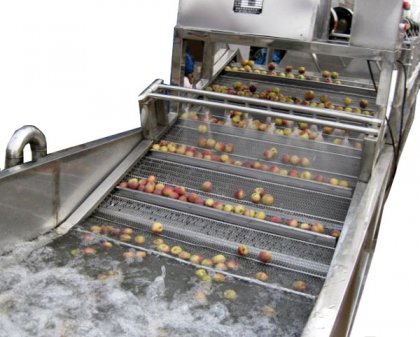

Compare four industrial fruit washing machine types and AGICO bubble washer models. Select by capacity, cleaning action, materials and fruit handling....
Follow six industrial mango juice processing steps, from sorting and pulping to blending, heat treatment, filling and cooling. See equipment choices and figures to confirm....
Compare gravity, pressure, vacuum, flow-meter and weighing juice filling machines. Learn how beverage type, bottle, capacity and cleaning needs guide selection....