
Pineapple juice has a sweet-tart flavor. If the juice tastes too sharp, blending it with another fruit can change the flavor and texture. The ideas below cover apple, pear and orange, followed by nutrition-label and processing points for pineapple juice blends.
What Fruit Goes Well With Pineapple Juice?

1. Apple
Sweet apple juice can soften pineapple's sharpness while retaining a fresh fruit flavor. The result depends on the apple variety, ripeness and blend ratio. For a commercial product, test several ratios and measure the target sweetness and acidity.
2. Pear
Pear has a milder flavor and can make a pineapple blend taste rounder without overpowering the pineapple. Its texture also affects whether the finished drink needs screening or homogenization.
3. Orange
Orange adds a distinct citrus note to pineapple juice. Because both fruits contribute acidity, adjust the blend by tasting and testing rather than assuming it will be sweeter. Mango, peach, lemon and banana are other possible fruit partners; each changes the flavor, pulp content and processing requirements.
Pineapple Juice Nutrition and Label Information

Pineapple juice contains naturally occurring sugars, and its nutrient content varies with the fruit, recipe and processing method. A juice blend may also contain added ingredients. For a packaged product, check the serving size and the distinction between total sugars and added sugars on the product's Nutrition Facts label; do not infer one fixed nutrient profile from the fruit alone.
Whole pineapple and filtered pineapple juice are different foods: removing pulp can change the amount of fiber in the drink. Claims that pineapple juice treats diseases, causes weight loss or produces other medical effects should not be made without appropriate evidence. This page describes flavor pairing and processing, not a therapeutic use.
Pineapple Juice Blend Processing Tips

1. Balance sweetness and acidity. Test fruit varieties and blend ratios with the intended customer and product standard in mind. Record the formulation so the finished drink is consistent between batches.
2. Manage pulp and texture. The chosen combination determines whether the line needs pulping, screening, filtration or homogenization. A clear drink and a pulpy drink require different finishing steps.
3. Plan hygienic filling and storage. Select a validated microbial-control process and a filling method suited to the juice and package. The final label and storage instructions should reflect the actual formulation and process.
- Fruit Juice Production Line
- Citrus Juice Processing Line
- Mango juice production line
- Apple Juice Processing Line
- Pineapple Juice Processing Line
- Pomegranate juice processing line
- Lychee juice processing plant
- Grape Juice Processing Line
- Full Automatic Milk Processing Plant
- Plant Protein Beverage Production Line
- Coconut Water Processing Line
- Industrial Coconut Milk Processing Line and Extraction Equipment
- Fruit Crusher Machine
- Tubular Fruit Preheater
- Steam Jacketed Kettle
- Fruit Belt Press Filter
- Spiral Juice Extractor
- Fruit Peeling and Squeezing Machine
- Citrus Fruits Peel Essential Oil Extractor
- Double Screw Extractor for Grape
- Fruit Pulping Machine
- Mango Peeling and Destoning Machine
- Grape Destemmer Crusher
- Automatic Coconut Cutting Machine
- Tender Coconut Half Cutting Machine
- grape wine squeezing machine

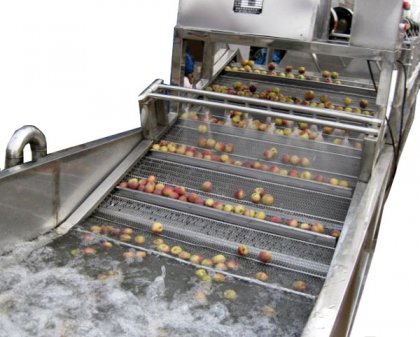

Compare four industrial fruit washing machine types and AGICO bubble washer models. Select by capacity, cleaning action, materials and fruit handling....
Follow six industrial mango juice processing steps, from sorting and pulping to blending, heat treatment, filling and cooling. See equipment choices and figures to confirm....
Compare gravity, pressure, vacuum, flow-meter and weighing juice filling machines. Learn how beverage type, bottle, capacity and cleaning needs guide selection....