
Apple juice concentrate is apple juice with part of its water removed. It is used for later reconstitution and as an ingredient in other beverages. Concentration reduces shipping volume, but the finished product still needs a defined safety process, package and storage plan. A target around 65–70 °Brix is used for some clear concentrates; it is a product specification, not a universal setting for every apple juice.
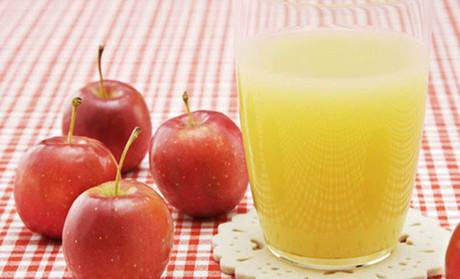
Apple Juice Concentrate Processing Flow
A typical sequence is apple receiving and sorting → washing → crushing → pressing → clarification when clear concentrate is required → aroma recovery and concentration → validated heat treatment and filling → storage. The order of individual operations can differ by plant and product. See the fruit juice production line for the broader equipment sequence.

Technical Points in Apple Juice Concentrate Production
Preparing Apples and Extracting Juice
Select sound, mature apples and remove moldy or damaged fruit. Wash and sort them, then crush and press according to the selected extraction equipment. Fruit condition influences yield, flavor and contamination risk. The FAO apple-processing chapter describes sorting, washing, extraction and concentration options; actual plant controls must reflect the raw material and local food rules.
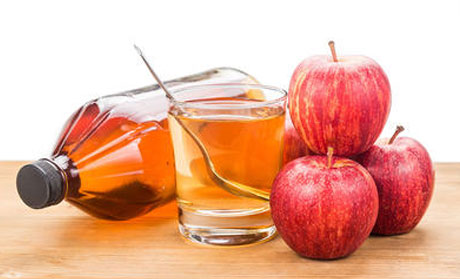
Recovering Apple Aroma
Volatile apple aromas can be lost during evaporation. An optional essence-recovery system can capture part of the aroma for controlled reintroduction, subject to the product specification and food-safety process. Aroma composition varies by apple variety and equipment. The old fixed aldehyde, ester and ethanol ranges do not establish a universal quality standard and should not be used as acceptance limits without product data.
Clarifying the Juice
For clear apple juice concentrate, pectic enzyme treatment, settling, filtration or other appropriate clarification can reduce haze-forming material before evaporation. Cloudy products need a different approach. Enzyme dose, treatment temperature and time depend on juice pH, pectin level, enzyme supplier instructions and trials. A fixed time or a claim that all pectin dissolves after several days is not reliable for every batch.
Concentrating to the Target Brix
Vacuum evaporation is a common route; multi-effect systems can reduce energy demand and may incorporate aroma recovery. Freeze concentration and membrane methods are alternatives for selected applications. The FAO gives a multi-stage apple-juice evaporation example ending near 70 °Brix, and a U.S. USDA inspection specification for one apple-juice-concentrate contract sets a minimum of 70 °Brix. Other customers may specify a different value, including the original page's 65–68 °Brix example.
If single-strength juice is near 10–14 °Brix, removing water to reach 65–70 °Brix can reduce its mass to roughly one-fifth to one-seventh of the starting juice, depending on actual soluble solids and losses. This is a mass-balance illustration, not a guaranteed yield. The old 30°C and 55–60°C evaporation examples cannot alone establish flavor retention; measure color, aroma and relevant quality indicators under the proposed process.
Filling and Storage
Cool, treat and fill concentrate using a process validated for the product and package. Filling temperature, closure integrity and cooling depend on whether the product is aseptic, hot-filled, frozen or refrigerated. The original 0–4°C range can describe a refrigerated storage option, but not a universal condition or shelf-life guarantee for every concentrate. Confirm microbial stability, quality changes and shelf life through the finished-product plan.

When specifying a concentrate line, share the apple variety, incoming juice Brix, target concentrate Brix, desired clear or cloudy style, capacity, package and storage conditions. These details determine the evaporator, clarification, aroma and filling configuration.
- Fruit Juice Production Line
- Citrus Juice Processing Line
- Mango juice production line
- Apple Juice Processing Line
- Pineapple Juice Processing Line
- Pomegranate juice processing line
- Lychee juice processing plant
- Grape Juice Processing Line
- Full Automatic Milk Processing Plant
- Plant Protein Beverage Production Line
- Coconut Water Processing Line
- Fruit Crusher Machine
- Tubular Fruit Preheater
- Steam Jacketed Kettle
- Fruit Belt Press Filter
- Spiral Juice Extractor
- Fruit Peeling and Squeezing Machine
- Citrus Fruits Peel Essential Oil Extractor
- Double Screw Extractor for Grape
- Fruit Pulping Machine
- Mango Peeling and Destoning Machine
- Grape Destemmer Crusher
- Automatic Coconut Cutting Machine
- Tender Coconut Half Cutting Machine
- grape wine squeezing machine
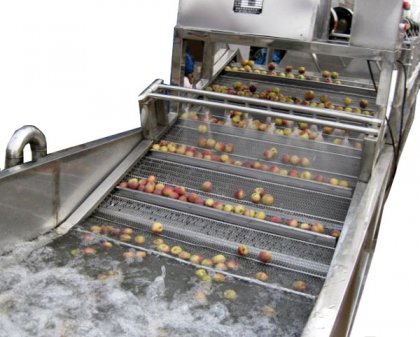

Compare four industrial fruit washing machine types and AGICO bubble washer models. Select by capacity, cleaning action, materials and fruit handling....
Follow six industrial mango juice processing steps, from sorting and pulping to blending, heat treatment, filling and cooling. See equipment choices and figures to confirm....
Compare gravity, pressure, vacuum, flow-meter and weighing juice filling machines. Learn how beverage type, bottle, capacity and cleaning needs guide selection....